
Illinois v. Trump (2025 Natl Guard, Appeal)
Legal Issues
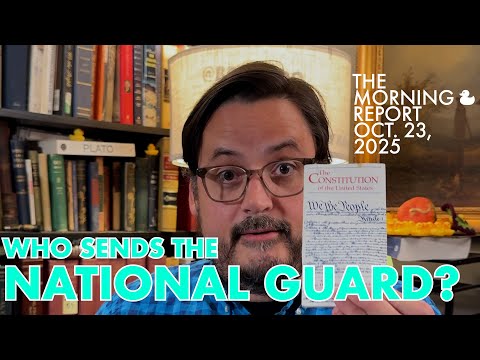
BrynoDC Coverage 9 videos
 YouTube
  TikTok TikTok TikTok TikTok TikTok
Overview
Overview
The case involves charges against Donald Trump for racketeering, solicitation of violation of oath by a public officer, and multiple conspiracies related to efforts to pressure Georgia officials to alter the 2020 vote count. As of November 17, 2025, the case was at a critical stage after the prior prosecutor was removed by the Court of Appeals due to an appearance of impropriety. On November 14, 2025, a new pro tem prosecutor, Peter Skandalakis, was appointed to carry the case forward, with presidential immunity considered unlikely because the acts were campaign-related rather than official duties.
Overview
The government appealed Judge Perry's temporary restraining order which prevents the Trump administration from federalizing and deploying National Guard troops within Illinois.
The Facts
Facts
President Trump signed executive orders in January and February 2025 directing federal agencies to condition grants on jurisdictions' cooperation with immigration enforcement, including sharing information with ICE and honoring civil immigration detainer requests. Illinois, Chicago, and other sanctuary jurisdictions sued, arguing the orders amount to an unconstitutional attempt to commandeer local law enforcement and attach new conditions to congressionally appropriated funds without statutory authority. The district court entered preliminary relief; the government appealed.
The Issue
Issue
Whether the President may by executive order condition previously appropriated federal grants on sanctuary jurisdictions' compliance with federal immigration enforcement directives, without independent statutory authority to impose those conditions.
The Rules
Rule
Spending Clause (U.S. Const. Art. I, § 8, cl. 1) requires that conditions on federal grants be unambiguous, related to the federal interest in the program, and authorized by Congress. Not imposed unilaterally by the executive. City of Chicago v. Barr (7th Cir. 2020) previously struck down similar conditions under the Sessions-era DOJ. The anti-commandeering doctrine (Printz v. United States, 1997) bars the federal government from conscripting state and local officials to enforce federal law.
The Application
Analysis
Trump's alleged coordination with co-conspirators to contact Georgia officials and pressure vote-count alterations constitutes potential racketeering and conspiracy under Georgia law; these campaign-related acts fall outside the scope of official presidential conduct shielded by immunity.
The Conclusion
Conclusion
Active. Preliminary injunction in place. The Seventh Circuit is the latest court to consider whether the Trump administration's immigration-enforcement grant conditions are lawful. The case is part of a broader wave of sanctuary-city litigation testing the constitutional limits of executive spending conditions.
Flag an issue
This tracker is maintained by BrynoDC and is free because readers fund it. Support